

You bought an EV, but home charging is harder than expected
Many households switch to electric vehicles expecting easy overnight charging, then hit practical problems: unstable electrical capacity, slow charging, or safety concerns. The result is frequent detours to public stations, which defeats the convenience goal.
Most issues come from starting in the wrong order. Owners often choose a charger first and assess home electrical readiness later. A better approach is to map real driving behavior, parking hours, and available household load before selecting equipment.
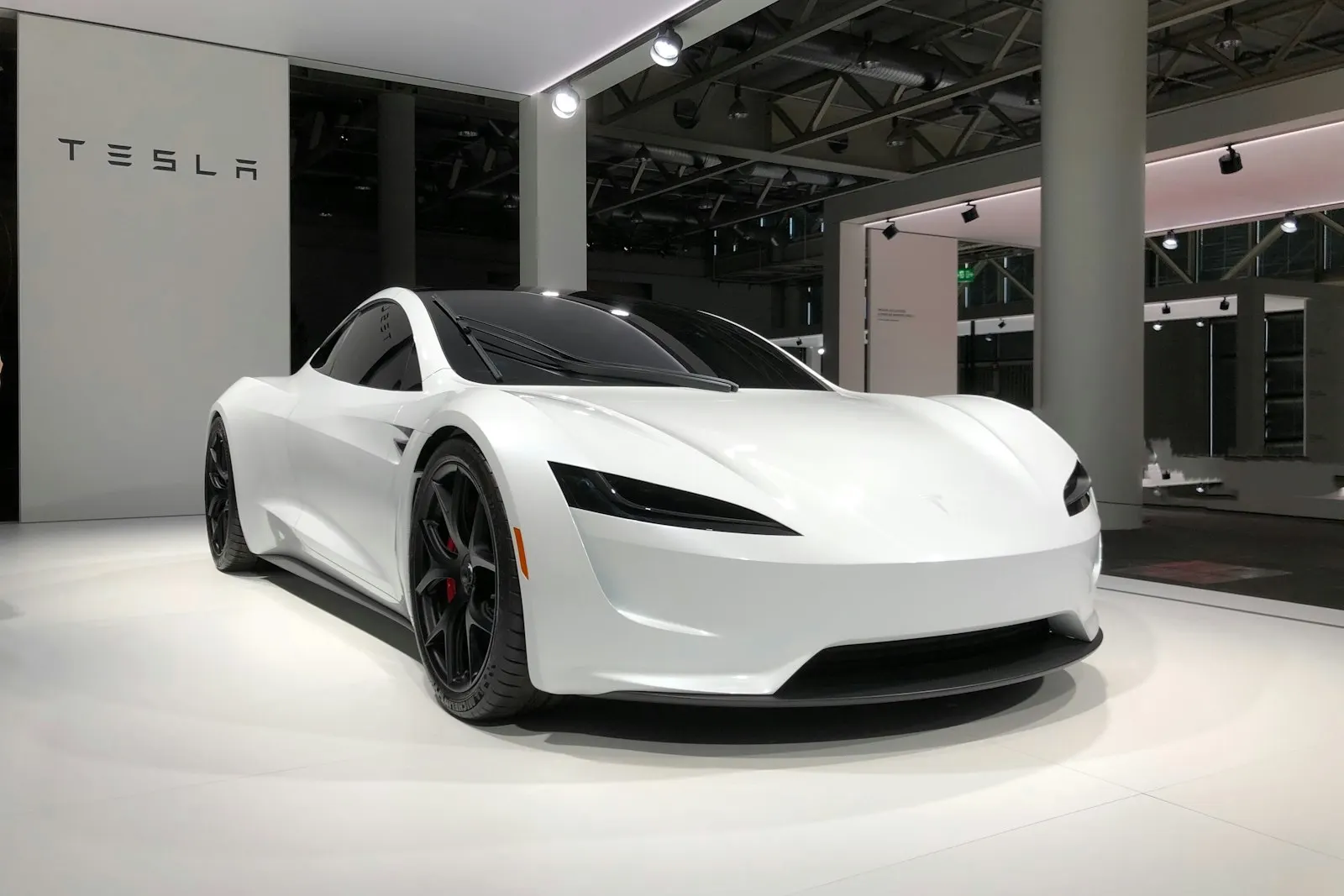
Current context for residential EV charger installation in Thailand
Home charging is becoming standard, especially for detached houses and townhomes. But electrical readiness differs widely. Older homes may need panel upgrades, while newer projects may still require on-site validation before installation.
Charging speed should match actual usage, not marketing claims. For many owners, overnight charging at a moderate power level is sufficient and more cost-efficient than overbuilding the system.

Core principles before choosing charger and electrical capacity
Start with daily driving data and parking duration. Prioritize safety: main panel, breakers, cable sizing, and grounding must support continuous load. Evaluate total ownership cost, including wiring, protection devices, and serviceability.
After-sales support in Thailand also matters. A charger is a daily-use system; downtime directly affects mobility, so response quality is part of technical quality.
Practical implementation from site survey to stable operation
Use a qualified installer to inspect real cable routes, weather exposure, and safe mounting location. Then size charging power to household load and driving needs. Where load headroom is limited, dynamic load management can improve stability.
After commissioning, test charging in different periods, monitor heat behavior, and tune charging schedules for cost control. In the first month, review electricity bills and usage patterns, then optimize settings.
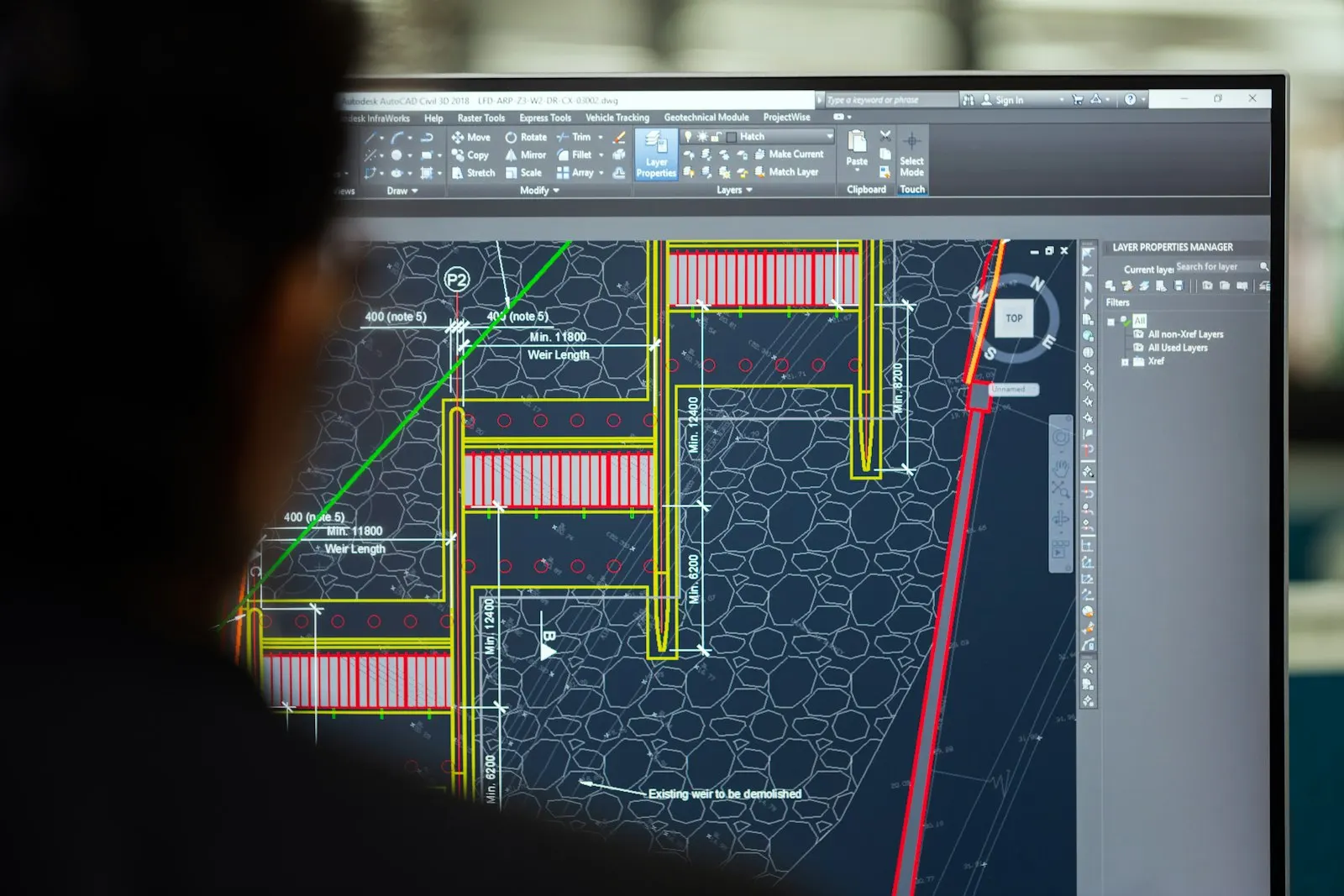
Pros and limitations of installing a home EV charger
Home charging improves daily convenience and time control, but requires proper upfront planning and ongoing safety checks.
- Pros: predictable overnight charging and morning readiness
- Pros: less dependence on station queues
- Pros: charging behavior can be tailored to household routines
- Limitations: initial installation and electrical upgrade costs
- Limitations: poor sizing can reduce charging reliability
- Limitations: periodic inspection is still necessary
With a correctly designed setup, most limitations are manageable and long-term usability improves significantly.
Home charging versus relying on public stations
Home charging suits repeated daily travel patterns and overnight parking. Public charging is useful for users without installation access or for long-distance top-ups, but availability and queue times are less predictable.
A hybrid model works well for many households: home charging as the base, public charging as backup for heavy travel days.

Expert decision framework before investing
Evaluate four dimensions together: electrical safety, charging sufficiency, total cost, and support readiness. Check installation standards, match charger capacity to actual driving demand, and model cost over multiple years.
Service continuity is crucial. If support is slow, convenience drops immediately. Choose providers with clear support channels and local spare-part coverage.
Checklist before installation and after go-live
- Assess panel, breakers, cable, and grounding with qualified professionals
- Choose a weather-safe and practical installation location
- Size charger power to real usage, not maximum possible power
- Install complete protective electrical devices
- Run continuous-load tests and thermal checks
- Set charging schedule aligned with cost-control goals
- Track first-month bill and charging behavior
- Perform periodic visual and safety inspections
This checklist turns installation into a reliable long-term operating system, not a one-day project.

Frequently asked questions before home EV charger installation
Can older homes install EV chargers?
Usually yes, but electrical assessment should come first.
Do I need the highest charging power?
Not always. Choose based on daily distance and overnight parking time.
Will electricity costs rise sharply?
It depends on driving and charging behavior. Track the first month and adjust.
Can I install it myself?
Professional installation is recommended for safety and compliance.
How often should I maintain the system?
Perform periodic checks on cables, connectors, and electrical conditions.
What if household electrical capacity is limited?
Plan upgrades or apply load-management features with expert guidance.
Is townhome installation feasible?
In many cases yes, if cable routing and placement are designed carefully.
Final advice for safe and cost-effective daily charging
A successful home EV charging setup starts with usage data and electrical readiness, not with the most expensive hardware. Good planning delivers better reliability, safety, and real convenience.
Begin with a proper site survey, select right-sized capacity, and optimize after the first month of operation. This approach controls cost and supports sustainable EV use in Thai homes.