

1) The Real Pain Point: Older Homes Look Fine but Feel Hard to Live In
Many owners keep a structurally sound house but struggle with daily friction: not enough outlets, poor lighting, trapped heat, moisture issues, and cluttered storage. A practical renovation should fix how the house works first, then improve appearance. That approach reduces long-term maintenance and makes everyday living easier.
2) Big Picture and Context Before You Start
In Thailand-like tropical conditions, heat, heavy rain, and humidity accelerate building wear. Many older homes were also expanded in phases without a unified plan. If you skip diagnosis and rush into finishes, costs usually rise later. Start with a condition audit: structure, electrical, plumbing, waterproofing, and household routines.
- Homes over 15 years old: inspect electrical load and water lines first
- Previously extended houses: check settlement joints and crack patterns
- Hot and stuffy interiors: solve daylight, airflow, and insulation together
3) Core Concept: Fix the Systems Before the Surfaces
The most reliable sequence is inside-out: safety, function, thermal comfort, then aesthetics. Paint and decor can be updated later, but hidden system mistakes are expensive to reopen and repair.
Four-Level Priority Stack
- Safety: structure, wiring, leaks, termite risk
- Function: room flow, storage logic, daily routines
- Comfort & Energy: shading, ventilation, insulation choices
- Aesthetics: palette, materials, furniture and styling
4) Practical Deep Dive with Examples
Case A: Narrow townhouse for two people
Main issue: dark and hot afternoon interior. Practical fix: add controlled daylight on non-harsh exposure, combine heat-control glazing with breathable curtains, and install exhaust where air stagnates. Rebuild the kitchen line to follow wash-prep-cook flow with fewer cross-movements.
Case B: Two-story family home
Main issue: overloaded storage and insufficient power points. Practical fix: full-height built-ins in high-use zones, dedicated circuits for high-load appliances, and better AC placement aligned with real occupancy patterns.
- Flooring: overlay systems can save time if base substrate is stable
- Damp walls: eliminate moisture source before repainting
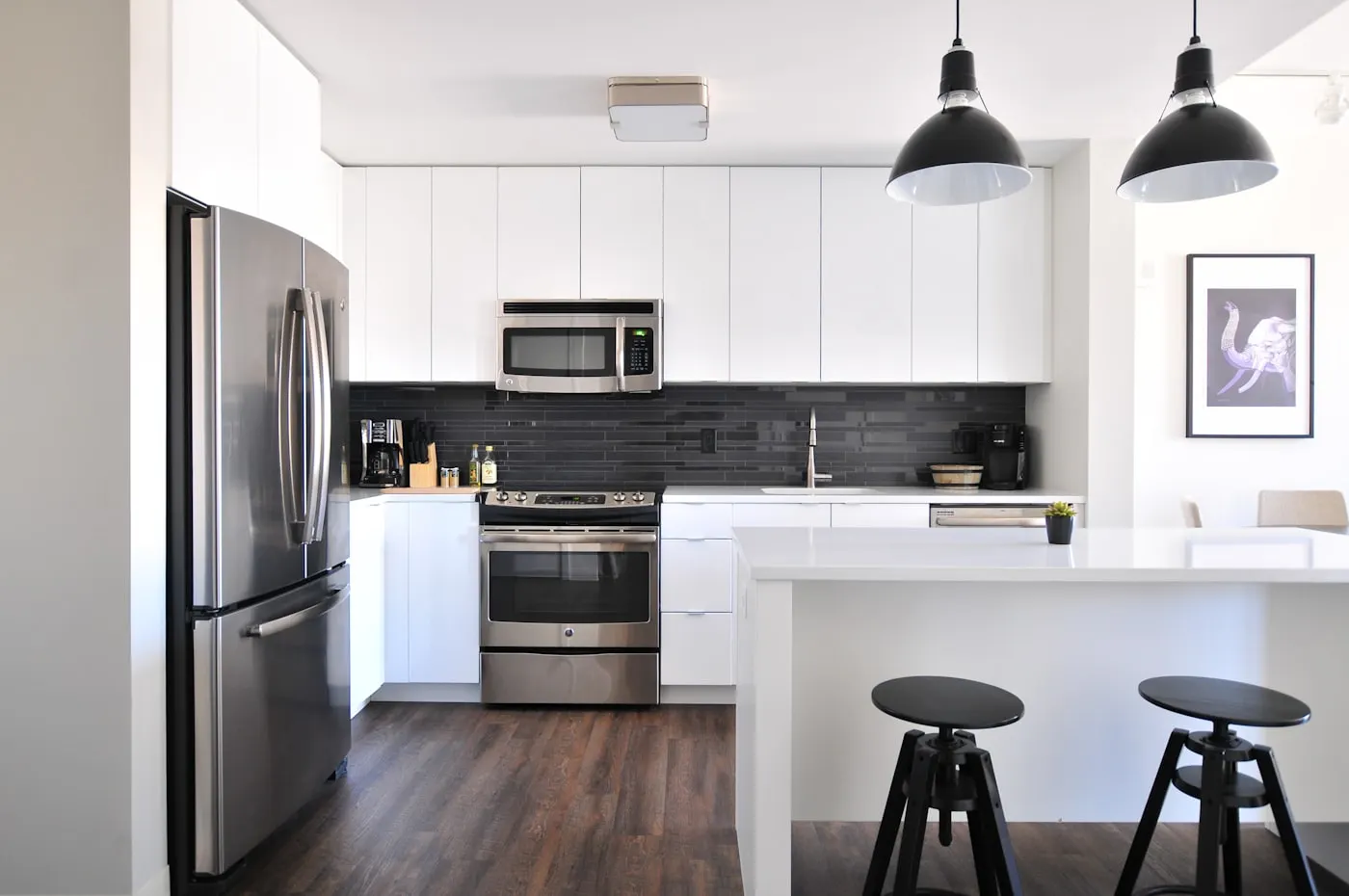
- Kitchen surfaces: prioritize stain resistance and easy cleaning

5) Pros and Cons
Pros
- Can be more cost-effective than rebuilding when structure is sound
- Keeps location value and neighborhood familiarity
- Allows phased upgrades based on budget and urgency
Cons
- Higher uncertainty than new construction once walls are opened
- Legacy systems may trigger hidden cost items
- Requires tighter site coordination if residents stay during works
6) Option Comparison
Partial Renovation vs Full Renovation vs Rebuild
- Partial renovation: best when issues are localized and budget is tight
- Full renovation: best when multiple core systems are near end-of-life
- Rebuild: best when structural limits block functional goals entirely
A practical threshold: if total repair cost approaches 60-70% of a rebuild while still leaving major limitations, evaluate rebuilding seriously.
7) Expert Recommendation: A Decision Framework
Before signing any contract, answer these five questions clearly.
- How many more years will this home serve your household?
- Is the first priority safety risk or functional pain?
- Does your total budget include a 15-20% contingency?
- Which areas must be completed first for move-in readiness?
- Are selected materials maintainable and serviceable long term?
8) Step-by-Step / Checklist
Execution Steps
- Run a full site survey and document every risk area
- Map daily routines for each household member
- Prioritize hidden systems before visible finishes
- Build a BOQ with must-have vs nice-to-have scope
- Collect 2-3 comparable quotations on the same specification
- Set weekly milestones and inspection gates
- Test all systems before closing ceilings/walls and before handover
Payment Milestone Checklist
- Electrical circuits and breakers tested and labeled
- No leakage across plumbing fixtures and lines
- Floor, wall, and ceiling flatness accepted
- Warranty documents and equipment manuals handed over
9) FAQ (Common Search Questions)
1. How much does it cost to renovate an old house?
It depends on scope and finish level. Light upgrades may start in the lower range per square meter, while system-heavy work costs more. Use an on-site assessment for realistic budgeting.
2. Which room should be renovated first?
Start with high-impact areas: bathrooms, kitchen, electrical safety, and leak points. These improve daily life fastest.
3. Can we stay in the house during renovation?
Sometimes yes, if work is phased and safety zones are clearly separated. Plan dust and noise control in advance.
4. Do we need to rewire the entire house?
Not always. But older homes with increased appliance load should receive a full electrical audit before deciding.
5. How do we prevent budget overruns?
Lock scope, finalize specs early, compare equivalent quotes, and keep contingency funds at 15-20%.
6. What materials are best for homes with elderly residents?
Use anti-slip flooring, glare-controlled lighting, continuous floor levels, and safer edge details.
7. How should we choose a contractor?
Select teams with relevant portfolio, clear contracts, transparent milestones, and reliable site communication.
8. What if the house has mold and musty smell?
Fix moisture sources and ventilation first. Cosmetic work should come after environmental causes are solved.
10) Final Summary and Last Advice
Successful old-home renovation is a performance upgrade, not just a style upgrade. Prioritize system integrity, make decisions with a clear framework, and inspect phase by phase. With the right sequence, an older home can look new, feel healthier, and work better for years.
