


The real renter problem near transit lines in Thailand
Most people start with one goal: rent a condo near rail transit and save commuting time. The challenge appears at contract stage, where real upfront cash and unclear clauses can easily exceed expectations. For first-time renters, focusing only on monthly rent is the most common mistake. Move-in day usually requires advance rent, security deposit, and additional service costs that can pressure cash flow immediately.
This guide is built for practical decisions, not marketing promises. You will learn how to calculate total monthly housing cost, prepare required documents, review lease terms that directly affect money, and run a proper move-in inspection. The objective is simple: reduce risk, keep flexibility, and protect your deposit.
Market context and renter behavior
Transit-adjacent condos remain in high demand because predictable commuting has clear lifestyle value. In dense urban zones, a short and safe walking route to a station can justify higher rent. However, “near transit” can be misleading if real walking paths are inconvenient or if utilities and building management quality are weak.
Experienced renters compare total monthly cost, response quality of the juristic office, and contract fairness before choosing. A slightly higher listed rent can still be the better option if operations are reliable and dispute risk is lower.

Lease templates also differ by landlord. Critical details such as deposit return timeline, maintenance responsibility, and early termination terms must be explicit in writing.
Core concept: total cost, documents, and enforceable lease terms
Use a three-part budget: upfront cash at signing, recurring monthly expenses, and emergency reserve. Upfront cash usually includes advance rent and deposit. Monthly cost should include electricity, water, internet, parking, and any fixed building charges in the lease.
Prepare clean records: ID copy, residence registration copy, income evidence, transfer slips, and signed contract pages. Paying through traceable bank channels helps if payment-date disputes occur.
In the lease, prioritize payment due date, default penalty method, move-out notice period, damage definition, and exact deposit return timing. Replace vague wording with measurable wording before signing.
Practical execution guide for renters
Set a conservative affordability ceiling first. Then create must-have criteria: true walkability to station, safety, building condition, repair workflow, and internet quality. Compare every unit with the same scorecard to avoid emotional decisions.
At viewing, test air-conditioning, water pressure, outlets, and leakage points. Record photos and time stamps. Any defect should be documented in the handover checklist before occupancy. During negotiation, prioritize terms that impact cash risk: deposit handling, early-exit pathway, and repair accountability.
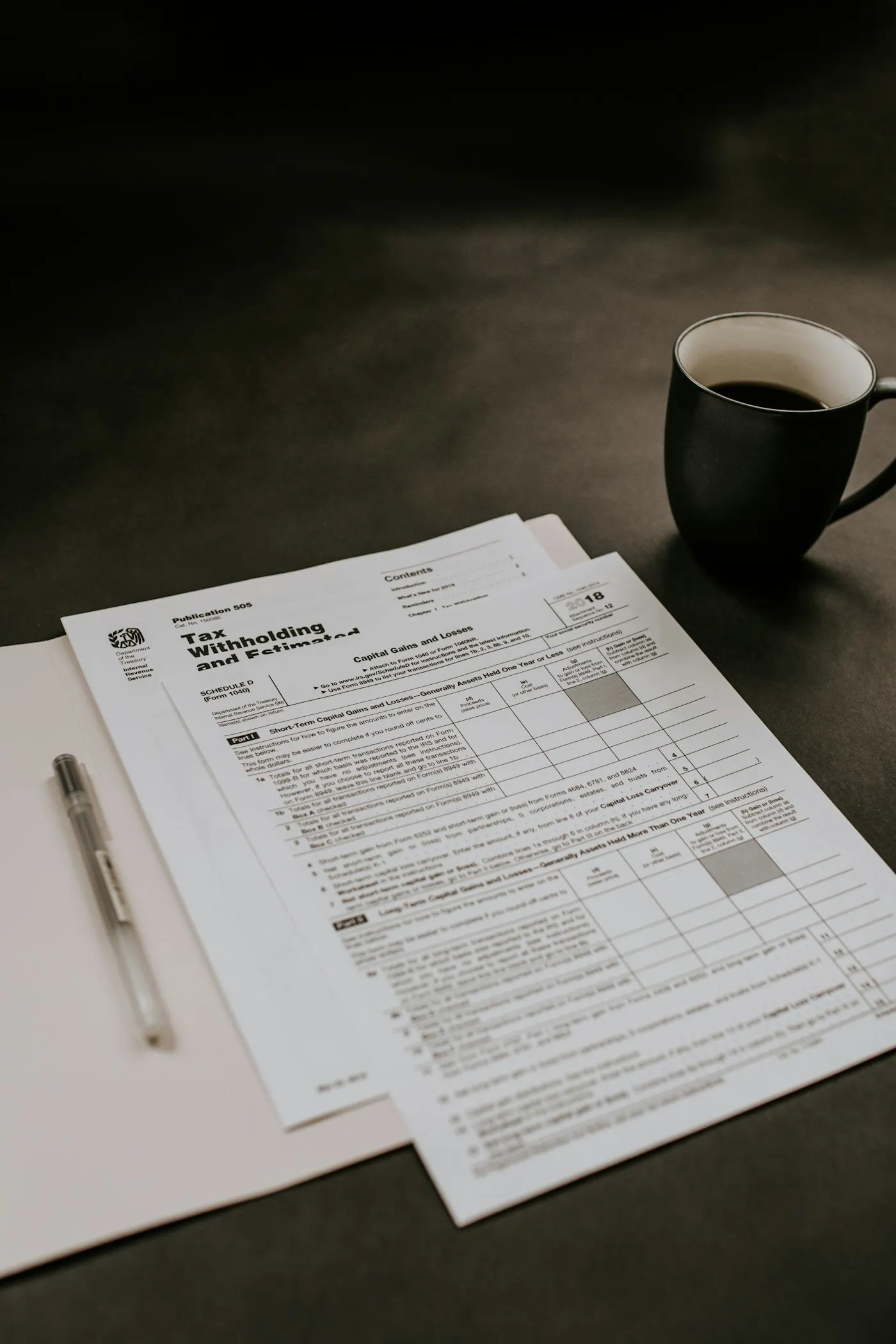
After signing, maintain monthly payment records and maintenance communication logs. This protects both parties and improves chances of a smooth full deposit return.
Pros and constraints
- Pros: predictable commute and better schedule control
- Pros: mobility and flexibility compared with buying
- Pros: fast access to city services and workplaces
- Constraints: higher rent pressure in prime corridors
- Constraints: smaller usable area per budget
- Constraints: poor lease wording can create unfair deductions
Alternatives and comparison logic
Alternatives include secondary zones with lower rent but additional feeder travel, or shared townhouse rental for larger space. The right choice depends on your office frequency, transport pattern, and liquidity target. Compare options by total cost and time cost together, not by listed rent alone.
Expert decision framework and checklist
- Confirm all move-in charges in writing
- Verify landlord identity and right to lease out
- Lock deposit return timeline and deduction rules
- Attach inventory and condition evidence at handover
- Define emergency maintenance contact channel
- Store contract, slips, and key chats in one folder

FAQ
How much cash should I prepare before move-in
Prepare advance rent, deposit, move-in costs, and at least one month of emergency reserve.
What if I discover defects after moving in
Report immediately in writing with dated photos and keep acknowledgement records.
When should the deposit be returned
Follow the signed lease timeline. Ensure timeline and deduction method are explicit before signing.
Do I need an inventory handover record
Yes. It is essential evidence for end-of-lease condition and deduction disputes.
Should I choose a long lease term
Choose based on job stability and relocation probability. Flexibility can be worth a slightly higher rent.
Final advice
A strong rental decision in Thailand comes from disciplined budgeting, clear lease language, and complete evidence management. If you control these three areas, you reduce hidden-cost risk and keep your living plan stable.