

Selling a condo with a tenant inside without killing the deal
Many Thai condo owners decide to sell while the unit is still rented. The first worry is predictable: will buyers avoid a tenanted unit, and will the tenant cooperate with viewings? Deals usually fail not because the unit is bad, but because key terms are unclear. Buyers fear post-transfer confusion about possession rights, deposit handling, and rent handover.
The fix is structure and transparency. If you disclose lease status clearly, set viewing rules respectfully, and document transfer mechanics early, the same unit can become attractive, especially to investment buyers. This article explains how to preserve value, reduce friction with tenants, and complete the transfer with lower legal and operational risk.
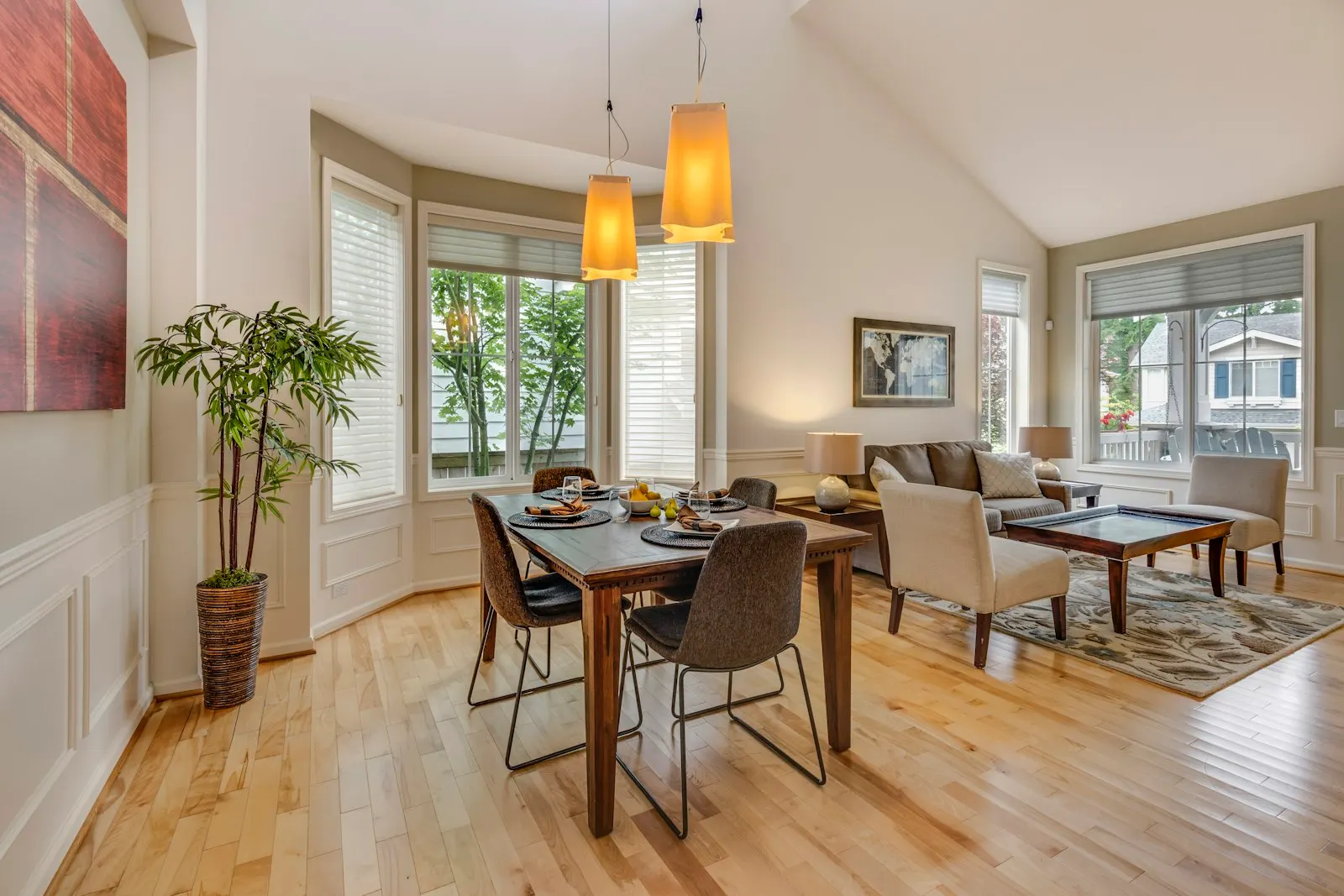
Who buys tenanted condos in Thailand and what they care about
A tenanted condo is often appealing to yield-focused buyers because income starts immediately after transfer. These buyers prioritize net cash flow clarity over cosmetic details. They want lease term remaining, payment consistency, common-fee burden, and maintenance history in one clean package.
Owner-occupier buyers think differently. They care about move-in timing and certainty. If your listing does not explain vacancy timeline options, they usually exit early. So the sale strategy should start with buyer segmentation: investor-first messaging versus owner-occupier transition messaging.

Core principles before listing a tenanted unit
Principle one is full lease transparency: start date, end date, rent amount, deposit, and renewal terms. Principle two is tenant-rights discipline: schedule visits in agreed windows and avoid disruptive showing behavior. Principle three is preplanned documentation: written notice flow, landlord-rights transfer language, and deposit allocation terms.
Principle four is pricing with context. A tenanted unit should be priced on market comparables plus income certainty, not emotion. Done correctly, this improves trust and speeds up decision-making without over-discounting.
Practical execution from preparation to transfer day
Begin with a direct, respectful discussion with the tenant. Explain why you are selling, expected timeline, and viewing process. Then prepare a complete buyer file: lease copy, payment history, common-area charges, and repair records. This reduces repetitive negotiation and helps serious buyers move faster.
Present two clear pathways to prospects: transfer with tenant in place, or transfer with planned vacant possession timeline. Put whichever pathway is chosen into writing at offer stage, not later. Before transfer day, hold a short three-party alignment call to confirm deposit treatment, prorated rent, and post-transfer contact points.

Pros and limitations of selling with tenant in place
This structure can be powerful for investor demand but less convenient for immediate move-in buyers.
- Pros: immediate rental income continuity
- Pros: real operating data to support valuation
- Pros: reduced vacancy between owners
- Limitations: smaller owner-occupier buyer pool
- Limitations: viewing logistics depend on tenant coordination
- Limitations: weak documentation can create post-transfer disputes
Outcome quality depends on process control, not speed alone.
Alternative deal structures for different buyer goals
For investment buyers, continuity is usually best: same tenant, clear transfer, no income gap. For owner-occupiers, define a realistic vacant-possession roadmap early and document it precisely. A transitional arrangement can work if timing flexibility exists and all parties are protected.
Whatever the structure, avoid verbal-only agreements on deposits, rent proration, and handover obligations. Written clarity is what keeps near-closed deals from collapsing.

Decision framework before accepting an offer
Evaluate offers on three axes: price, certainty of transfer, and tenant-impact risk. A slightly lower offer with cleaner financing and clearer terms can outperform a higher but fragile offer. Use a single scoring template across bids to reduce bias.
Also account for time-cost. Rejecting a solid offer may mean carrying costs for extra months, which can erase nominal price gains. Professional decisions look at net outcome, not headline number.
Checklist from listing launch to post-transfer stability
- Summarize current lease terms in a buyer-ready format
- Align viewing windows with tenant in advance
- Organize rent receipts and operating costs
- Define target buyer profile before marketing
- Keep listing terms and legal terms consistent
- Document deposit and prorated-rent mechanics clearly
- Confirm new landlord contact route before transfer
- Deliver complete handover documents to buyer
A disciplined checklist prevents preventable errors and strengthens trust for all sides.

Common questions when selling a tenanted condo
Can I sell before the lease ends?
Yes, if lease status and transfer terms are clearly disclosed and documented.
Do I need tenant consent to sell?
You should notify and coordinate properly, especially for viewing access and communication flow.
What happens to the tenant deposit?
State transfer amount and timing explicitly in the sale agreement.
Should the new owner sign a new lease immediately?
Not always, but rights and obligations should be acknowledged in writing.
How should I handle viewing refusals?
Return to agreed schedules and respect contractual tenant rights.
Can I price higher because there is already a tenant?
Possibly, if income quality is proven and net figures are credible.
Is the highest price always the best offer?
No. Transfer certainty and term clarity often matter more in net results.
Final advice for a cleaner and safer transaction
Selling a tenanted condo works best when transparency, tenant respect, and documentation discipline are in place from day one. Buyers move faster when uncertainty is removed early.
Focus on total outcome quality: realistic pricing, clear transfer mechanics, and practical timeline control. That approach consistently reduces post-transfer conflict and increases the odds of a successful close.