

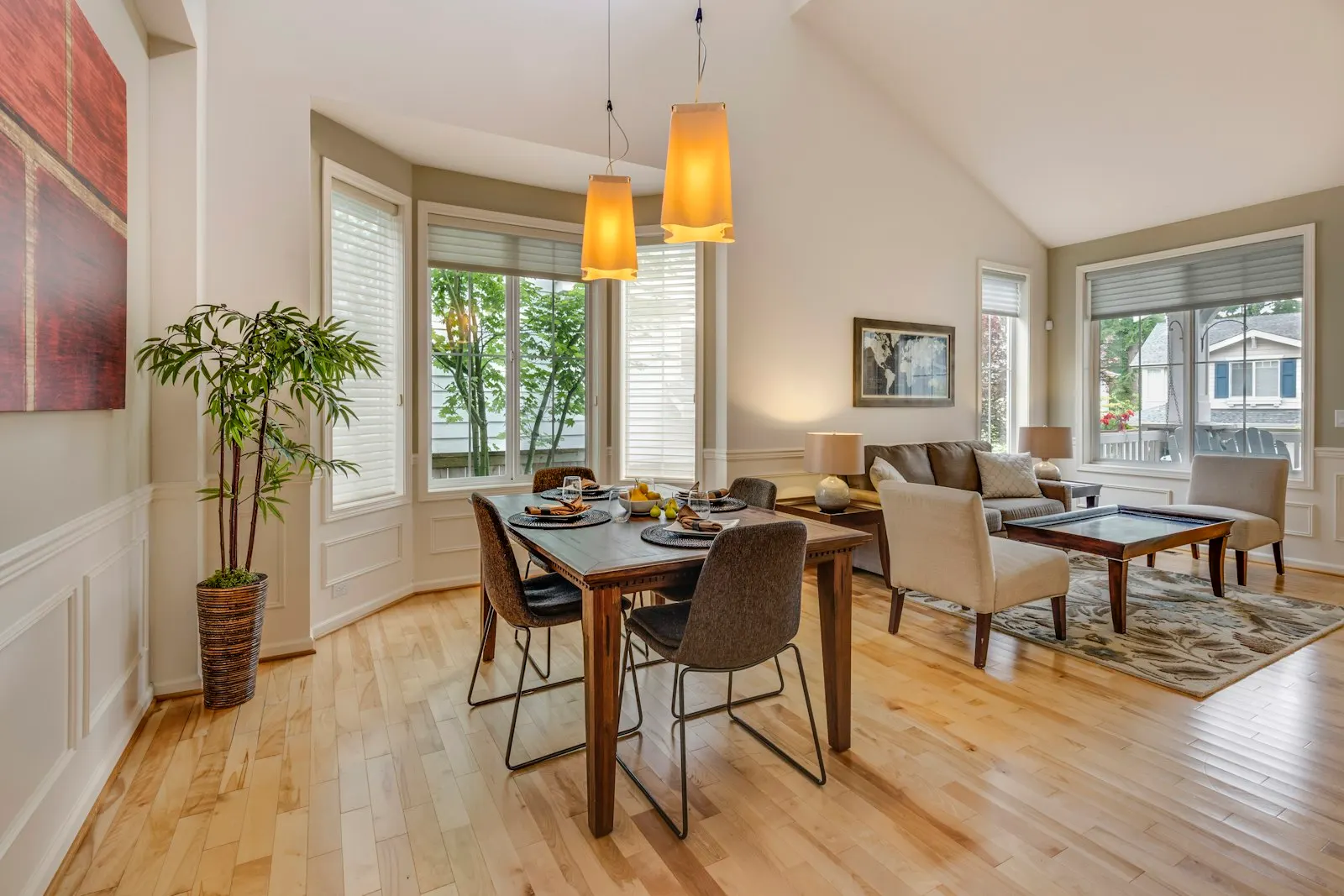
Why Thai homes feel damp during the rainy season
Long rainy periods raise indoor humidity, especially in rooms with weak daylight and poor airflow. Over time, this leads to musty odor, damp walls, and higher electricity bills from continuous cooling.

Start by checking risk spots: exterior-wall corners, bathrooms without exhaust support, and wardrobes placed too close to walls. Creating airflow gaps helps reduce condensation.
Use daylight to control moisture
Open curtains when rain pauses, use sheer layers, and keep wall tones light to reduce damp corners. Better daylight helps surfaces dry faster and lowers mold risk.
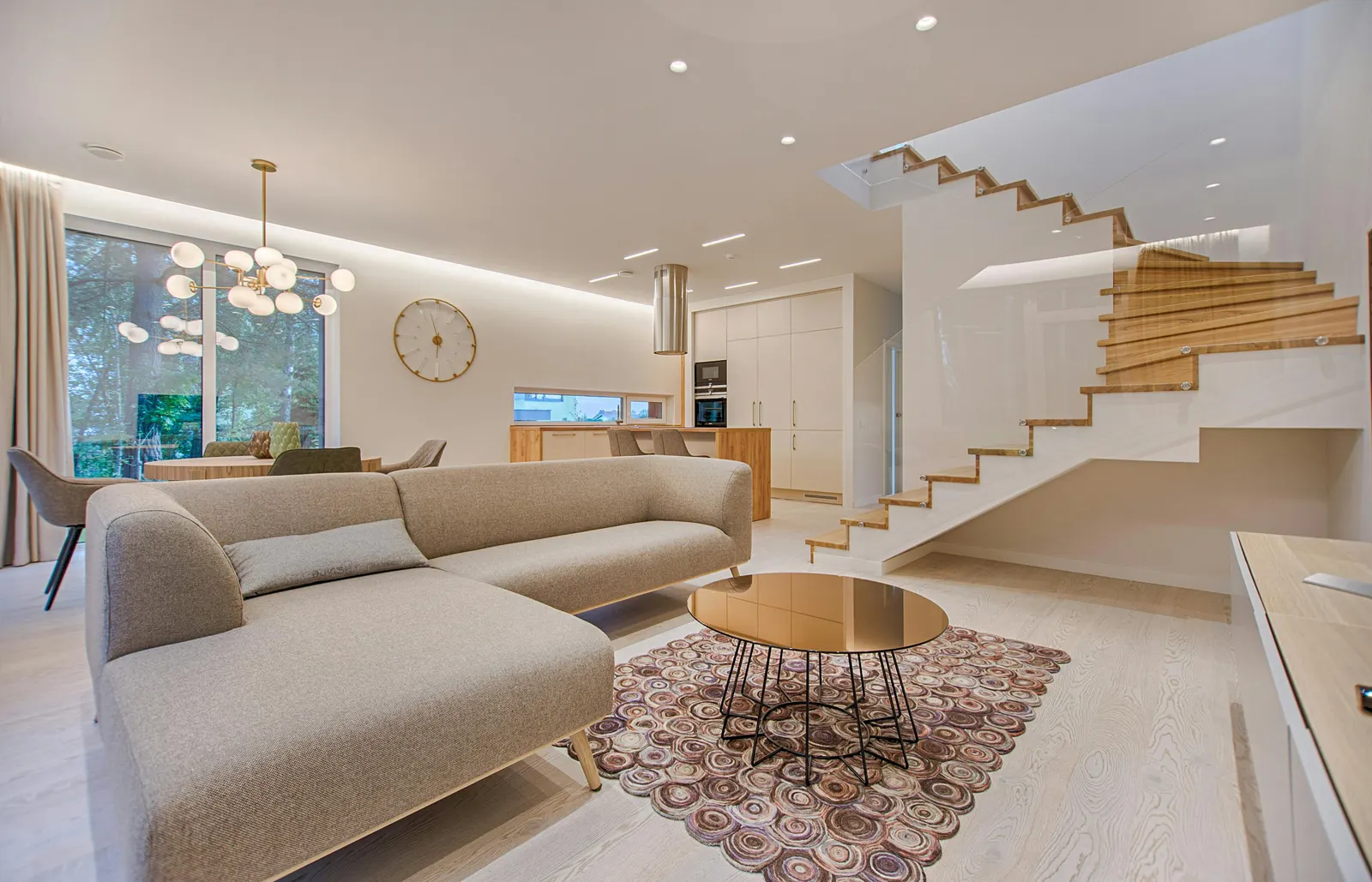
If afternoon sun is strong, add heat-control film or layered curtains instead of blocking windows all day. You keep usable light without excessive heat gain.
Practical ventilation for condos and houses
Use cross-ventilation logic: open opposite sides briefly each day, and run fans after showering or cooking. On heavy-rain days, use AC dry mode instead of overcooling.

Target around 50-60% indoor relative humidity and verify with a small hygrometer. If levels stay high, add a dehumidifier in the problematic room.
Weekly maintenance checklist
- Wipe window rails and seals
- Clean AC filters every 2-4 weeks
- Ventilate wardrobes twice weekly
- Inspect under-sink and wall-corner moisture points
Balanced light and airflow improves comfort and controls long-term energy cost.