

Hook Why many Bangkok condo residents feel tired even after staying home
City living gives you convenience, but convenience does not always equal recovery. Many professionals in Bangkok return to a well-located condo and still struggle to sleep, reset, and focus the next day. The issue is often not motivation. It is the environment: harsh evening lighting, mixed-use spaces, poor airflow, and constant micro-stress from noise and clutter.
When your room sends conflicting signals to your brain, your body stays in alert mode. You may be physically at home, yet mentally still at work. Over time this affects sleep quality, emotional stability, and decision-making capacity. The result is a quiet form of burnout that builds week by week.
This guide is designed for practical people. No expensive renovation. No trend chasing. Just a structured method to turn your condo into a reliable recovery system that supports work performance and personal well-being.
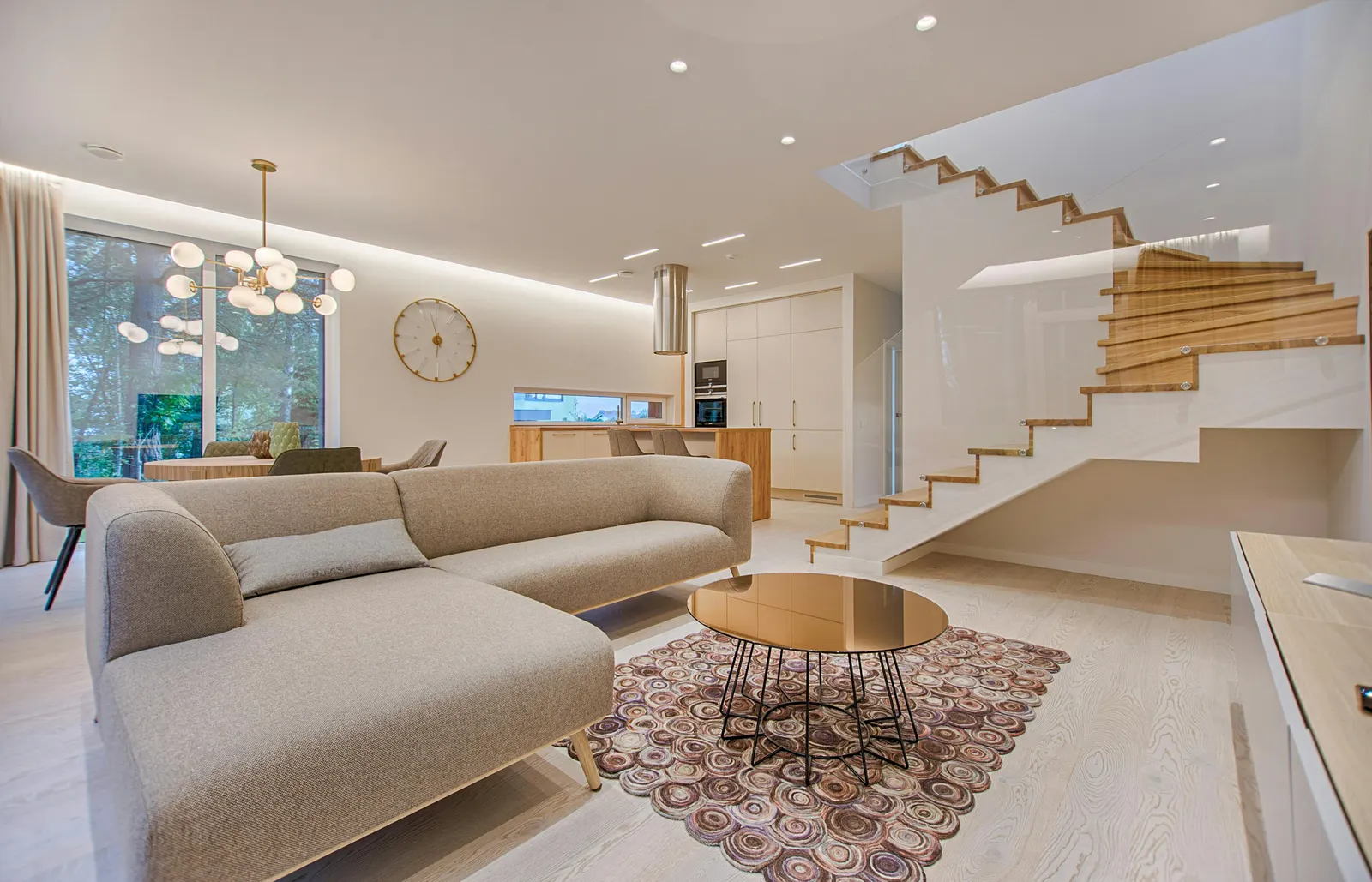
Overview The Bangkok condo context and daily stress load
Typical urban condos share similar constraints: limited floor area, uneven daylight exposure, varying heat gain by unit orientation, and occasional corridor or traffic noise. These factors shape your sleep and stress response more than most residents realize, especially in hybrid work routines where you spend longer hours indoors.
Common patterns include working from bed, bright white lights late at night, irregular pre-sleep habits, and visual clutter from insufficient storage. None of these seem severe alone, but together they keep the nervous system activated. You may fall asleep, yet recovery remains shallow.
The good news is that outcomes improve quickly when you fix bottlenecks in sequence. A single change, such as improving nighttime light hygiene, can meaningfully reduce sleep latency within days.
Core concept A good condo is one that helps your body switch states
The core principle is state design. Morning should cue activation. Daytime should support concentration. Evening should reduce cognitive load. Night should protect deep rest. If all activities happen under the same sensory conditions, your brain cannot distinguish work from recovery.
A second principle is behavioral friction. Make healthy actions easier and unhelpful actions harder. Place phone charging away from the bed. Separate the work corner from the sleep zone. Prepare a repeatable wind-down routine. You reduce reliance on willpower and increase consistency.
Think in systems, not gadgets. A purifier helps, but it cannot replace layout discipline. Premium bedding helps, but it cannot offset bright late-night lighting. Sustainable results come from aligned environment plus routine.
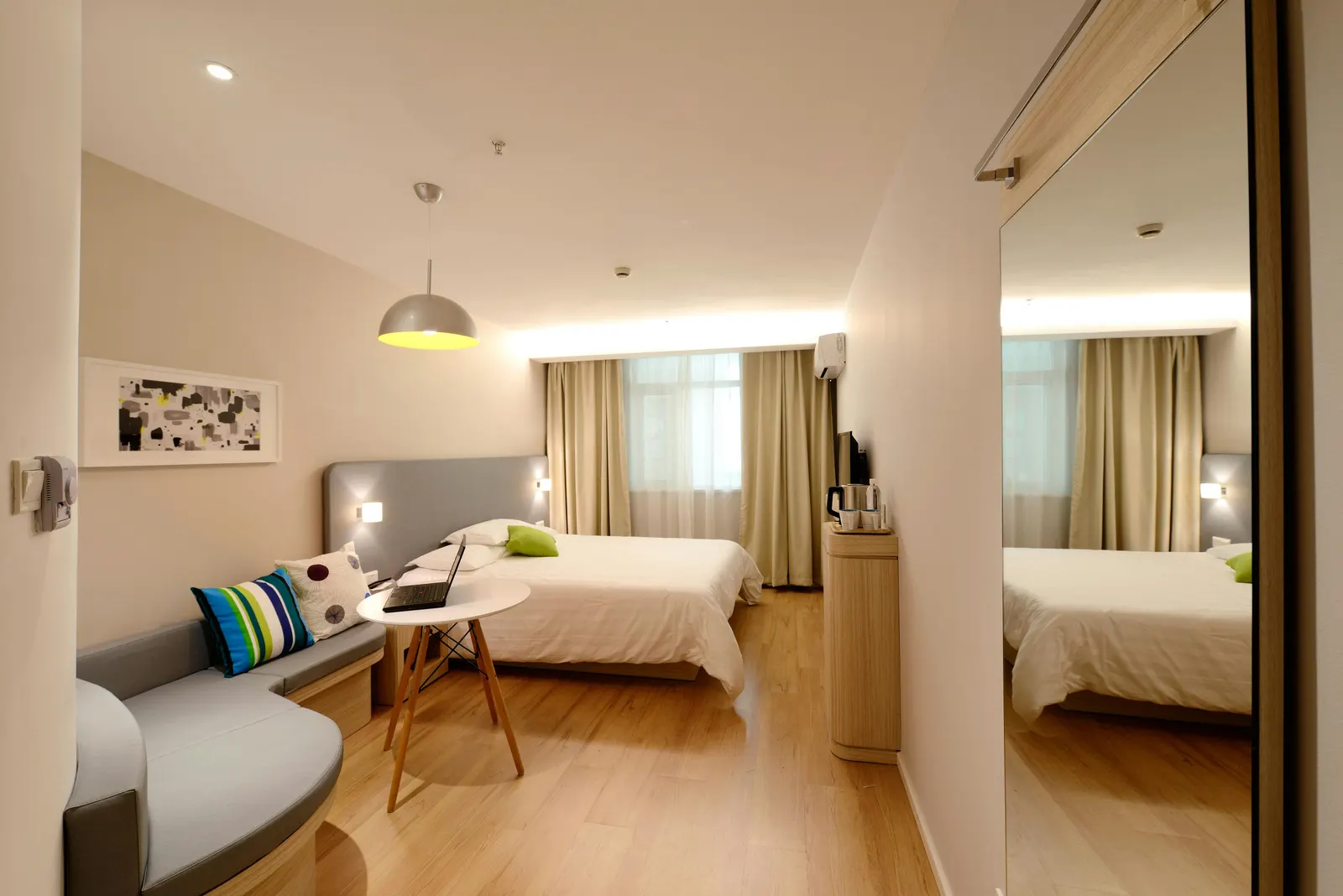
Deep practical guide What to change first without major renovation
Start with light. Open curtains in the morning to anchor circadian timing. In the evening, shift to warm and dim lighting at least an hour before bed. If exterior light leaks in, use blackout curtains or layered drapes. This is often the fastest win for sleep continuity.
Then address sound and air. Soft surfaces like rugs, dense curtains, and filled shelves reduce echo and perceived noise. For unstable external noise, low-level background sound can improve sleep stability. Improve ventilation in the morning and maintain AC filters. In high-dust zones, a correctly sized air purifier can reduce throat irritation and nighttime wake-ups.
Next, re-zone your layout. Keep screens out of direct bed view. Use even a compact desk to mark a work boundary. Standardize locations of daily essentials. A short nightly reset habit can dramatically reduce visual stress and decision fatigue.
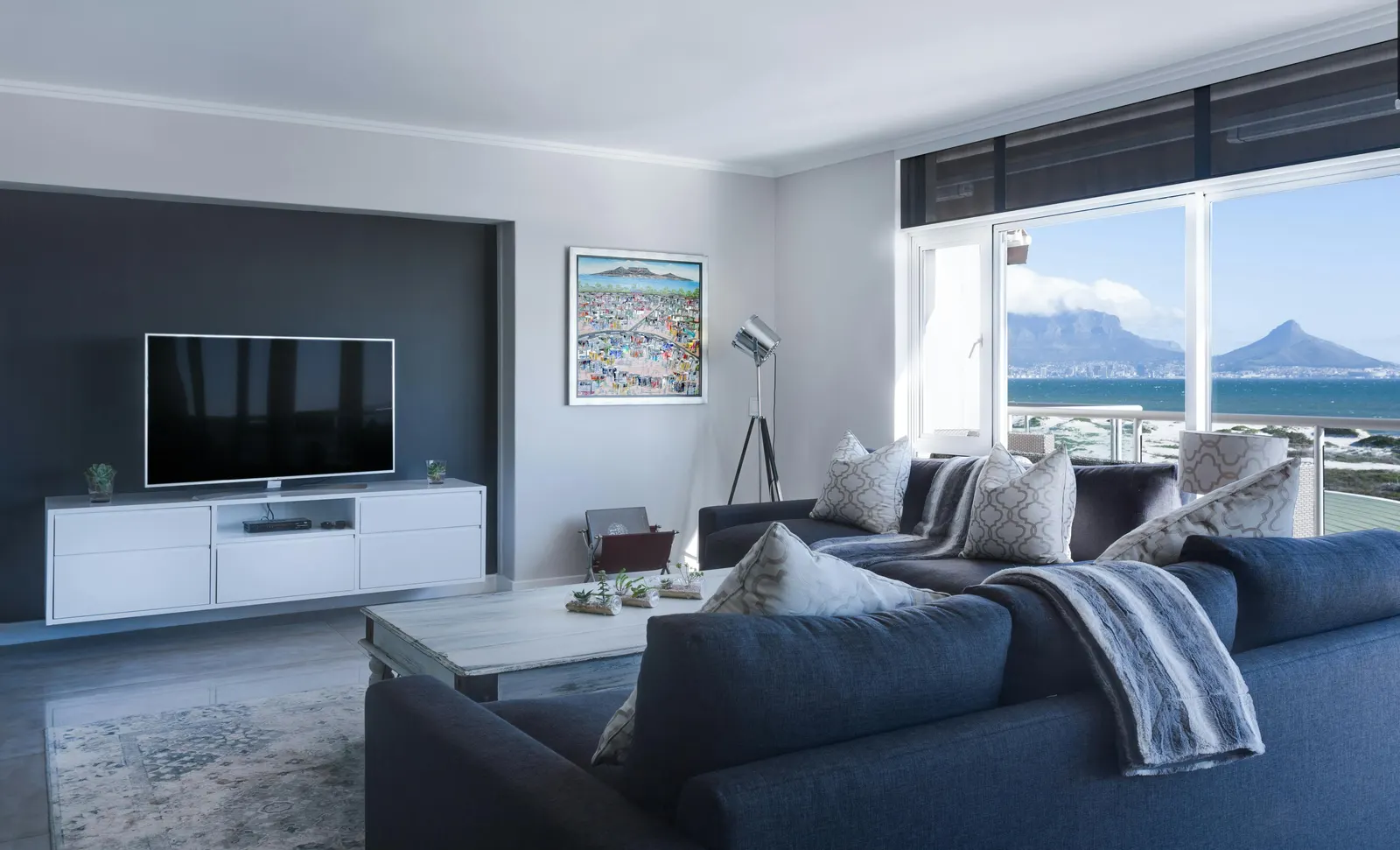
Pros and Cons Benefits and realistic limitations
- Benefit: Better sleep onset and fewer midnight awakenings through improved light control
- Benefit: Stronger focus due to clearer work-rest boundaries
- Benefit: Lower baseline stress from reduced clutter and sensory overload
- Limitation: Structural noise or neighbor behavior may not be fully controllable
- Limitation: Results require routine consistency, not one-time setup
- Limitation: Some upfront cost for curtains, airflow, or essential upgrades
Expect progress, not perfection. A staged approach delivers more durable outcomes than a one-time spending burst.
Alternatives comparison If your current unit has hard constraints
If improvements plateau, compare alternatives by total life cost, not rent alone. Moving to a quieter orientation or higher floor may increase rent slightly but improve sleep and performance enough to justify it. Another option is using building common areas or nearby cafes for deep work to protect your bedroom as a recovery zone.
A lower-cost alternative is schedule redesign: reduce late caffeine, define digital cutoff, and add evening movement. This can work very well but needs stronger discipline. Most residents do best with a hybrid strategy: moderate environmental upgrades plus reliable routine rules.
Choose the path you can maintain. Repeatability drives outcomes.
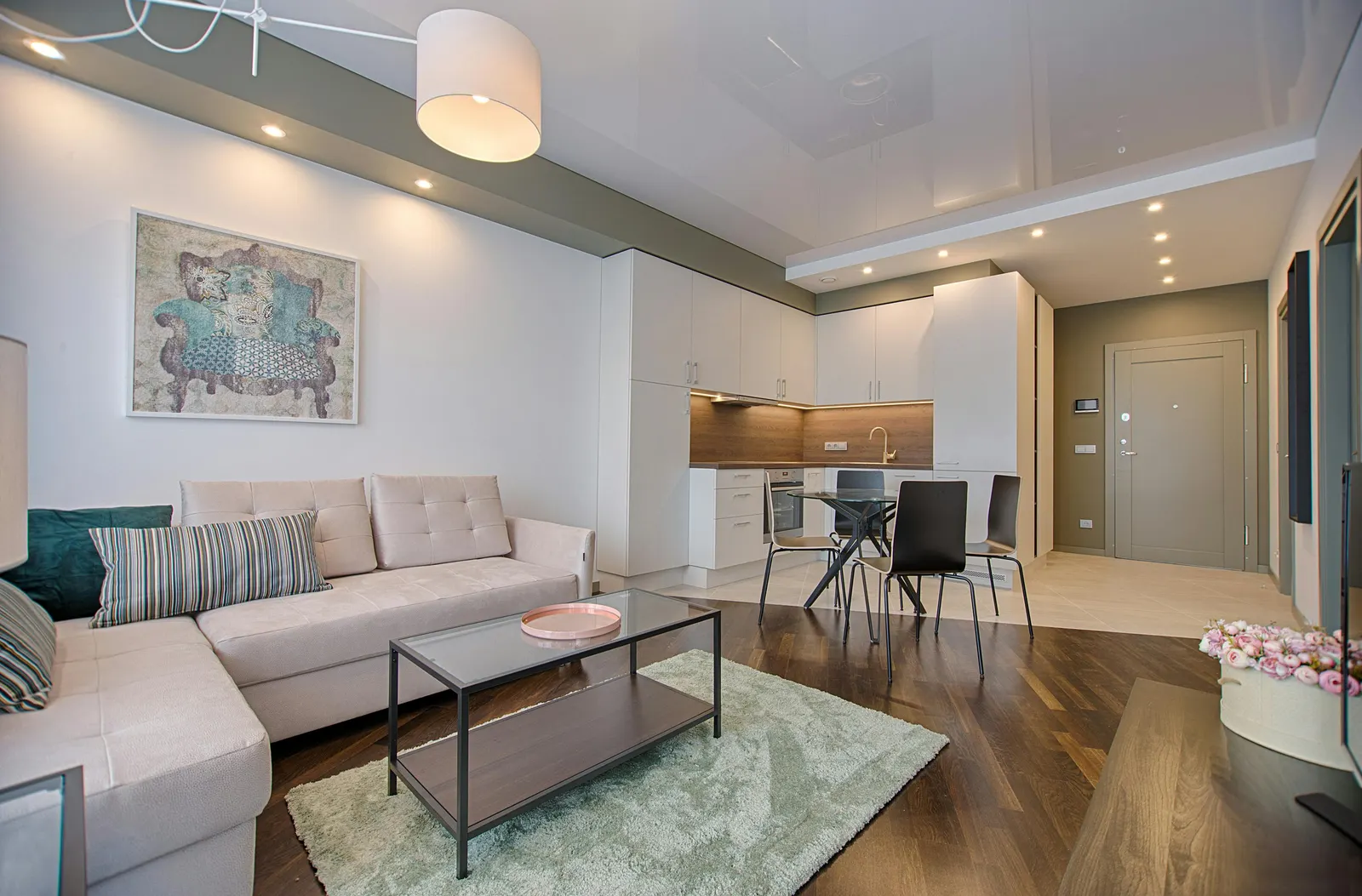
Expert decision framework How to prioritize with limited budget
Use a three-layer lens: sleep impact, daytime performance impact, and monthly cost. Prioritize high sleep-impact issues first because sleep quality amplifies every other intervention. Then evaluate each action by expected benefit, implementation difficulty, and sustainability.
If an action is high impact but hard to sustain, break it into smaller steps. Instead of redesigning the whole room, start with bedside lighting and a fixed wind-down window. Gather evidence from your own experience over two-week cycles.
Track simple metrics: time to fall asleep, number of awakenings, and morning energy rating. Data-based decisions prevent unnecessary spending and improve confidence.
Step by step checklist A one-week implementation plan
- Day one: Identify the top three room issues affecting sleep or stress
- Day two: Convert bedroom lighting to warm, dim evening mode
- Day three: Create a dedicated work corner away from bed
- Day four: Remove non-essential clutter and standardize item placement
- Day five: Install a short pre-sleep routine and digital cutoff time
- Day six: Test noise management and airflow adjustments
- Day seven: Review outcomes and lock one habit for the next month
This sequence gives fast feedback and keeps execution realistic for busy schedules.
FAQ Practical questions condo residents ask most
Can I separate work and sleep zones in a very small studio
Yes. Use light, rug, or furniture cues. Physical walls are not required.
What should I do first with almost no budget
Control evening light and set a strict phone cutoff before bed.
Is an air purifier necessary for everyone
No. It is most useful in high-dust locations or for allergy-prone residents.
How do I handle neighbor noise at night
Combine in-room sound absorption, stable background sound, and formal building communication when needed.
Which light color is best before sleep
Warm, low-intensity lighting supports melatonin release better than bright cool light.
How quickly can I expect results
Many residents notice meaningful changes within one week when changes are consistent.
Summary and final advice Build a repeatable recovery system, not a perfect room
Living in Bangkok does not require sacrificing restoration. When your condo environment and routines are aligned, your room becomes an asset for resilience, focus, and emotional stability. Start with the strongest bottlenecks, implement in sequence, and measure what actually improves your daily life.
Small, repeatable upgrades outperform dramatic one-time changes. The goal is not visual perfection. The goal is reliable recovery.